Beer 101: A Simple Guide to Popular Beer Styles
If you’ve ever browsed a craft beer shelf and thought “Why are there so many options?”, you’re not alone. Beer styles can sound technical, but they don’t have to be.
This guide breaks down the most common beer styles you’ll come across in Singapore - what they taste like, how bitter they are, and who they’re best for, without the brewing jargon or lectures.
Lagers & Pilsners: Crisp, Clean, and Timeless
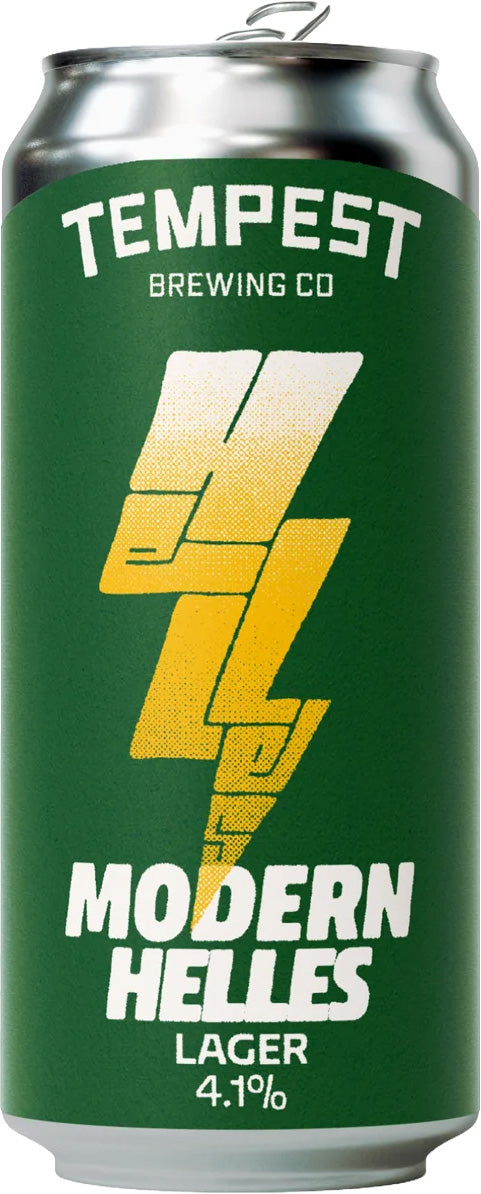
Lagers are among the oldest beer styles in the world. The word “lager” comes from German, meaning “to store”, a nod to how these beers were traditionally fermented slowly at cool temperatures often in caves.
Today, lagers are loved for their clean, refreshing profile, making them ideal for hot afternoons and easy drinking.
A Pilsner is a specific type of lager that originated in the Czech town of Pilsen. It’s pale in colour, light on the palate, with a subtle floral hop character and a crisp, dry finish.
If you’re new to craft beer, this is one of the safest places to start.
Pale Ales: Balanced and Easygoing
Pale ales are a broad category, but they generally strike a balance between malt sweetness and hop flavour.
Modern pale ales often lean towards bright, tropical or citrus notes, sometimes with a hazy appearance. They’re flavourful without being intense, which makes them great for longer drinking sessions or when you want something refreshing but not bland.
This style played a big role in the early craft beer movement and remains a reliable favourite today.
West Coast IPAs: Bold, Bitter, and Aromatic
India Pale Ales (IPAs) are essentially a stronger, hoppier evolution of pale ales. While their exact origins are debated, IPAs became well-known as a style that could travel long distances thanks to higher alcohol and hop content.
The West Coast IPA emerged from the US craft beer scene and is known for its dry finish, pronounced bitterness, and piney or resinous hop character. These beers are aromatic and unapologetically bold.
If you enjoy bitterness and big flavours, this is where things get interesting.
Hazy/New England IPAs: Juicy and Approachable
The hazy IPA is the softer, friendlier cousin of the West Coast IPA. Rising to popularity in the 2010s, this style is known for low bitterness, juicy tropical flavours, and a cloudy appearance.
Brewers achieve this through specific hop timing, yeast choices, and sometimes the addition of oats or wheat, giving the beer a fuller, creamier mouthfeel.
They’re extremely drinkable and a great option for people who want hop flavour without sharp bitterness.
Fruited Sours: Tart, Refreshing, and Unexpected
Sour beers are one of the most diverse categories in beer. Traditional versions rely on wild or lactic fermentation, creating tart, funky, and complex flavours that can evolve over time.
Modern fruited sours take a more accessible approach, often using real fruit to create bright, tangy, refreshing beers. These are especially popular in warm climates like Singapore and tend to appeal even to people who don’t usually enjoy beer.
Think of them as the wildcard of the beer world.
Double & Triple IPAs: Turned Up to Eleven
Double IPAs (DIPAs) and Triple IPAs (TIPAs) take everything about an IPA and dial it up - higher alcohol, thicker body, bigger aroma, and more intense flavour.
These are beers meant to be sipped, not rushed. They’re rich, complex, and often best enjoyed slowly, ideally with food or shared among friends.
Proceed with curiosity and moderation.
Imperial Stouts & Porters: Big, Dark, and Indulgent
“Imperial” simply means stronger. These dark beers are brewed to be bold, full-bodied, and expressive.
Modern versions often feature ingredients like coffee, chocolate, oats, or spices, and some are aged in barrels for added depth. Despite their dark appearance, they’re not always heavy, but they are usually rich and warming.
Tip: dark beers show their best flavours when slightly warmer than fridge temperature.
👉 GULP's Picks: Where to Start
If you’re new to craft beer, the easiest way to get started is to try a well-made example of each style. Below are our go-to picks for beginners - beers we’d confidently recommend as a first introduction to each category.
- Lager/Pilsner: CALETA Mediterranean Lager by GARAGE
- Pale Ale: Circle The C Hazy Pale Ale by Tempest Brewing Co.
- West Coast IPA: Venomous Villains by KCBC
- Hazy/New England IPA: Right Brain x Garage Project by Alive Brewing
- Fruited Sour: Strawberry Sundae by Vault City
- Double/Triple IPA: white ferrari DIPA by The Veil
- Imperial Stout/Porter: Tin Can Taffy x Good Land by Sailors Grave Brewing
Final Thought
That’s it from us - hopefully you’ve picked up a thing or two along the way. At the end of the day, beer is meant to be enjoyed, not overthought. Craft beer can look intimidating with all the names and acronyms, but there’s no right way to explore it.
Take it at your own pace, follow your curiosity, and try what sounds good to you. If you ever need a nudge in the right direction, give us a shout.
Most importantly, enjoy the beer. 🍻